Data Center Infrastructure: Precast Solutions for the Digital Age
Every streaming service, cloud application, and digital transaction depends on robust data center infrastructure operating behind the scenes. As the digital economy expands, these mission-critical facilities face mounting pressure to deliver uninterrupted performance while managing extraordinary power loads and thermal challenges. The U.S. Department of Energy projects that data centers will consume between 6.7 and 12% of the nation's electricity by 2028; a staggering figure that underscores why speed, efficiency, and structural resilience have become non-negotiable in facility design.
Traditional construction methods struggle to meet these accelerating demands. Weather delays, extended curing periods, and inconsistent quality control create bottlenecks that today’s developers can't afford. Precast concrete offers a compelling alternative, delivering factory-controlled precision, accelerated timelines, and superior performance characteristics that align with the realities of today's technology-driven landscape.

Why Precast Concrete Transforms Data Center Development
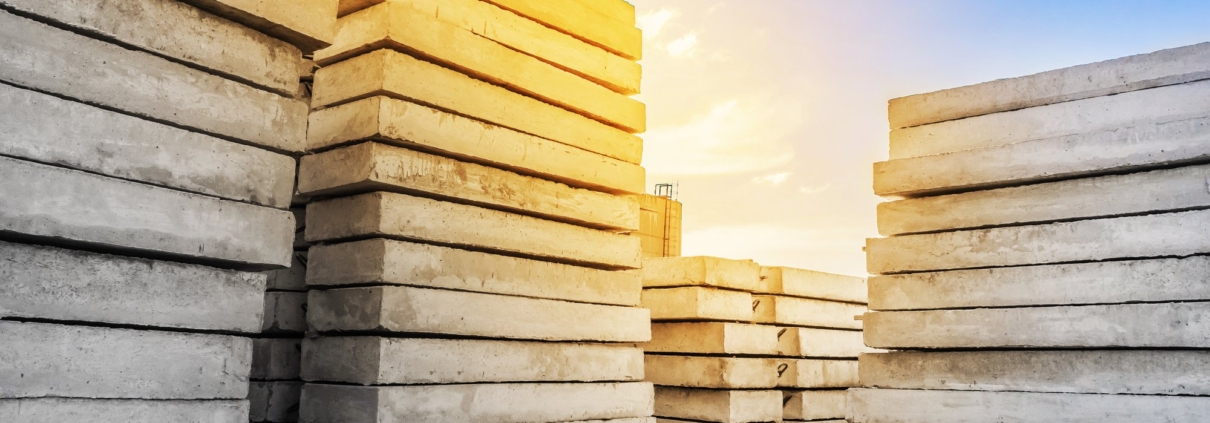
Manufacturing precast components in controlled environments and transporting them ready-to-install eliminates many obstacles that plague conventional building approaches. The advantages extend across multiple dimensions of project success.
Accelerated Deployment
Site preparation and component fabrication co-occur, compressing construction schedules dramatically. Teams install finished elements immediately upon delivery, allowing facilities to reach operational status months ahead of traditional timelines. When downtime translates directly to revenue loss, this speed advantage becomes financially decisive.
Uncompromising Structural Integrity
Digital assets demand protection from fire, moisture intrusion, and severe weather events. Precast concrete's inherent resistance to these threats maintains structural integrity across decades of service. Outages can easily cost providers from $100,000 to over $1 million. These figures make failure prevention paramount. Precast construction minimizes vulnerabilities that lead to catastrophic interruptions.
Thermal Performance and Energy Management
The concrete's thermal mass naturally regulates interior temperatures, reducing cooling system demands while maintaining the stable environments that servers require. This passive efficiency lowers operational expenses and shrinks environmental footprints, addressing both economic and sustainability imperatives in data center infrastructure planning.
Design Flexibility for Complex Requirements
Precast elements mold into diverse configurations that accommodate specialized electrical systems, cable management pathways, and equipment layouts. The modular nature of these components simplifies future expansions as storage demands grow, allowing facilities to scale without extensive structural modifications.
Environmental Responsibility
Factory production generates minimal waste compared to cast-in-place construction, with manufacturers routinely recycling excess material and effectively managing waste. This lean approach aligns with corporate sustainability commitments while reducing project costs.
The Performance Gap Between Construction Methods
Cast-in-place concrete remains weather-dependent, with rain delays and temperature constraints extending schedules unpredictably. Precast systems arrive immune to site conditions, maintaining momentum regardless of forecast. Reduced on-site labor requirements lower both expenses and safety risks, while installation predictability keeps budgets stable.
These operational advantages position precast as the preferred foundation for data center infrastructure, where reliability and speed determine competitive advantage. Precise factory assembly also supports cleaner layouts for critical systems (cabling, ductwork, and maintenance access), improving both safety protocols and long-term serviceability.

Engineering for Tomorrow's Digital Demands
Cloud computing, artificial intelligence, and edge computing applications continue driving explosive growth in data processing requirements. Facilities must expand capacity rapidly without compromising existing operations. Precast construction's modular framework integrates seamlessly with standing structures, enabling live expansions that traditional methods can't match. It also combines accelerated delivery, structural permanence, and environmental stewardship in a single proven system.
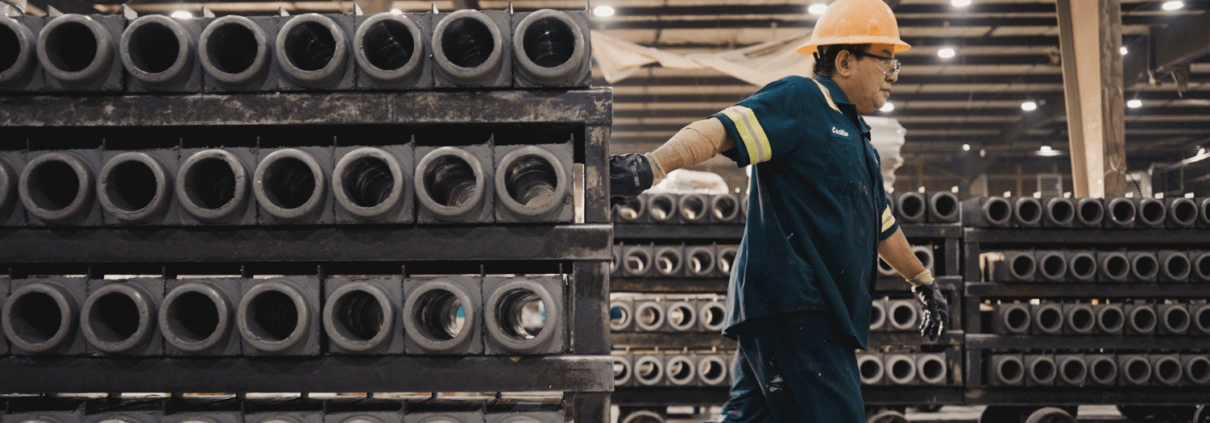
Roman Stone engineers precast components specifically for demanding digital environments; utility vaults, equipment foundations, and structural elements built to exacting tolerances. These purpose-designed products deliver the precision and durability that modern data center infrastructure requires across its operational lifespan.
Ready to Build Smarter? Whether you're planning a new facility or expanding existing capacity, Roman Stone delivers engineered precast solutions that eliminate construction risk while maximizing performance. Our team brings decades of expertise in mission-critical infrastructure to every project phase, from initial design consultation through final installation.
Discover how precast innovation can accelerate your next data center project. Get in touch to explore our complete portfolio and connect with engineering specialists who understand the unique demands of digital infrastructure.