
Beyond the Product: Why Precast Logistics Matter on Large Infrastructure Projects
Manufacturing the precast product is only part of getting it into the ground.
On large infrastructure projects, what happens between the manufacturing facility and installation can be just as important.
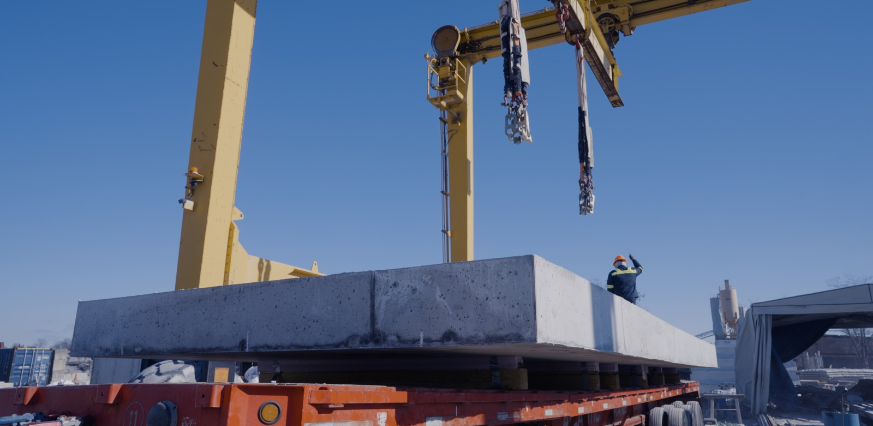
Delivery timing, staging, transportation, site access, lifting, and installation sequencing all have to work together.
That makes logistics an important part of precast planning from the beginning.
Getting the Right Product to the Site at the Right Time
Large projects may require dozens—or hundreds—of precast components.
Delivering everything at once may not be practical. Delivering components in the wrong sequence can create unnecessary handling or take up valuable staging space.
Coordinating manufacturing with the contractor’s installation sequence allows products to arrive when crews are prepared to install them.
Site Access Changes the Plan
Every jobsite is different.
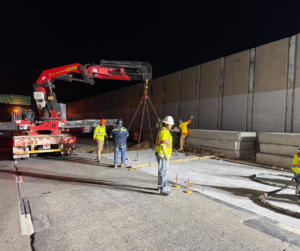
Urban projects may have limited staging areas. Highway and utility projects may have traffic restrictions. Large industrial sites may have designated delivery routes or security requirements.
Product dimensions and weights can also influence transportation and unloading requirements.
Understanding those constraints before deliveries begin helps the manufacturer and contractor develop a plan around the actual jobsite.
Reducing Unnecessary Handling
Ideally, a precast component moves efficiently from transportation to installation.
Every additional move requires equipment, labor, time, and coordination.
Planning deliveries around installation activities can reduce unnecessary handling and help crews maintain productivity in the field.
Logistics Should Start Before Production
Transportation and installation considerations can influence the product itself.
Component size, weight, lifting points, delivery orientation, and installation sequence may need to be considered during engineering and manufacturing—not after the product is complete.
That is why early communication between the contractor, manufacturer, engineer, and project team matters.
Manufacturing for Projects Across the Country
As infrastructure projects become larger and more complex, precast manufacturing increasingly requires more than production capacity alone.
It requires a plan for how products will move from manufacturing to installation.
Roman Stone supports infrastructure projects across the United States through precast manufacturing, engineering, delivery coordination, and project-specific production strategies—including mobile manufacturing capabilities for projects where traditional transportation is not the most efficient approach.
Planning a large infrastructure project? Talk with Roman Stone early so manufacturing and logistics can be planned together.

