
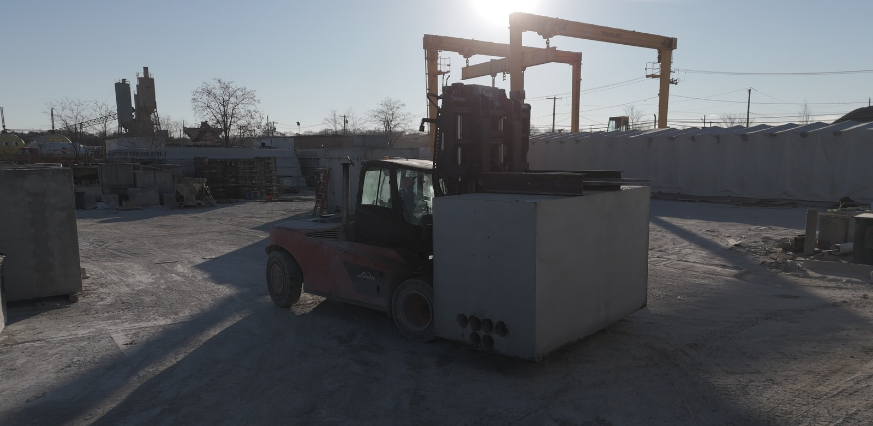
Why Specifications Matter in Transportation Infrastructure
Transportation infrastructure projects involve detailed engineering requirements, strict construction standards, and coordination among multiple stakeholders.
Whether a project involves roadway improvements, drainage systems, or underground utilities, precast concrete components must meet the requirements established by the applicable project documents and transportation agency.
For contractors and project managers, understanding DOT precast concrete specifications early in the process can help prevent delays, reduce uncertainty, and support smoother project execution.
What Are DOT Precast Concrete Specifications?
Department of Transportation (DOT) specifications establish requirements for materials, manufacturing, testing, inspection, and installation on applicable transportation projects.
Requirements vary by state, agency, product type, and project.
Depending on the application, specifications may address concrete materials and strength, reinforcement, dimensions, tolerances, structural loading, quality-control procedures, and documentation.
Some projects also require products to be manufactured by approved or certified facilities.
Because requirements differ, contractors should review the current project specifications rather than assuming that standards from one agency apply to another.
Common Precast Concrete Applications in DOT Projects
Precast concrete can be used in several types of transportation infrastructure.
Drainage Structures
Catch basins, manholes, and other drainage structures help manage stormwater and provide access to underground systems.
These components must be designed and manufactured to meet applicable hydraulic, structural, and installation requirements.
Underground Utility Structures
Transportation corridors often contain electrical, telecommunications, and other utility networks.
Precast utility structures can support these systems while providing access for inspection and maintenance.
Roadway and Infrastructure Components
Depending on project requirements, precast concrete may also be used for barriers, protective structures, and other transportation-related applications.
Each component must be evaluated against the specifications governing its intended use.
Key Factors Contractors Should Review
Before ordering precast concrete for a DOT project, contractors should evaluate several important areas.
Material and Structural Requirements
Project documents may establish minimum concrete strength, reinforcement requirements, loading criteria, and other structural design parameters.
These requirements should be confirmed before manufacturing begins.
Approved Drawings and Submittals
Precast structures may require shop drawings, engineering calculations, product data, or other documentation for review and approval.
Contractors should understand which submittals are required and how approval timelines affect production schedules.
Quality Control and Testing
Transportation projects may require specific manufacturing inspections, material testing, and documentation.
Working with a manufacturer familiar with the applicable requirements can help contractors prepare for these processes.
Delivery and Installation Coordination
Transportation projects often involve restricted work areas, traffic-control requirements, and scheduled installation windows.
Precast delivery should be coordinated with site access, lifting requirements, equipment availability, and construction sequencing.
The Value of Early Manufacturer Coordination
Involving a precast concrete manufacturer early in the planning process can help identify specification requirements that may affect design, production, and delivery.
This is particularly valuable when projects involve custom components, specialized reinforcement, unique openings, or complex installation conditions.
Clear communication between the engineer, contractor, and manufacturer can also help address questions before they become field issues.
Supporting Transportation Infrastructure Projects
DOT projects demand careful planning, consistent manufacturing, and attention to technical requirements.
Precast concrete can provide practical solutions for transportation infrastructure when components are properly designed, manufactured, and installed according to project specifications.
Roman Stone works with infrastructure project teams to address precast concrete requirements and coordinate solutions for demanding applications.
Planning a transportation infrastructure project? Contact Roman Stone to discuss your precast concrete specifications and project needs.
