
Mitigating Risk in Precast Concrete Infrastructure Projects: A Strategic Approach
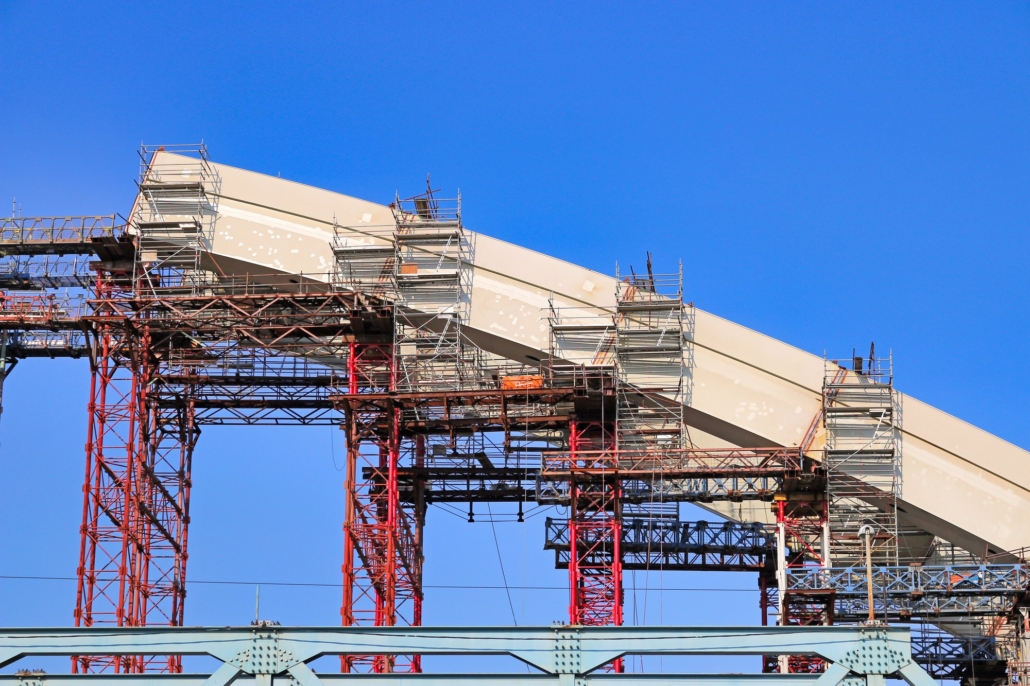
For mission-critical infrastructure projects, precast concrete represents a superior strategic asset, leveraging controlled manufacturing environments to decouple labor from volatile field conditions. This methodology inherently enhances quality assurance while insulating project timelines from meteorological disruptions. However, realizing these benefits requires sophisticated management of logistical integration, installation precision, and geotechnical preparation.
Challenge 1: Time Constraints and Accelerated Schedules
Modern infrastructure initiatives often demand accelerated delivery cycles. The imperative to design, fabricate, and deploy on compressed timelines necessitates zero-tolerance for error. Project slippage typically originates from delayed design finalization or unresolved interdisciplinary coordination conflicts.
Risk mitigation involves early-stage integrated planning and robust communication protocols. Utilizing a synchronized workflow enables the identification of geometric clashes prior to fabrication, significantly reducing the requirement for field rework and preserving both budgetary and temporal integrity.
Challenge 2: Logistical Optimization and Component Handling
Precast components frequently possess substantial mass and complex geometries, presenting significant variables during transport and site placement. Effective risk management requires comprehensive routing analysis, permit acquisition, and detailed craneage capacity assessments well in advance of delivery.
Optimal execution relies on proactive logistical planning. Engineering solutions, such as modularizing components, can streamline transport operations. On-site, the implementation of rigorous rigging plans and specialized equipment ensures the protection of both structural assets and personnel.
Challenge 3: Geotechnical Integrity and Site Preparation
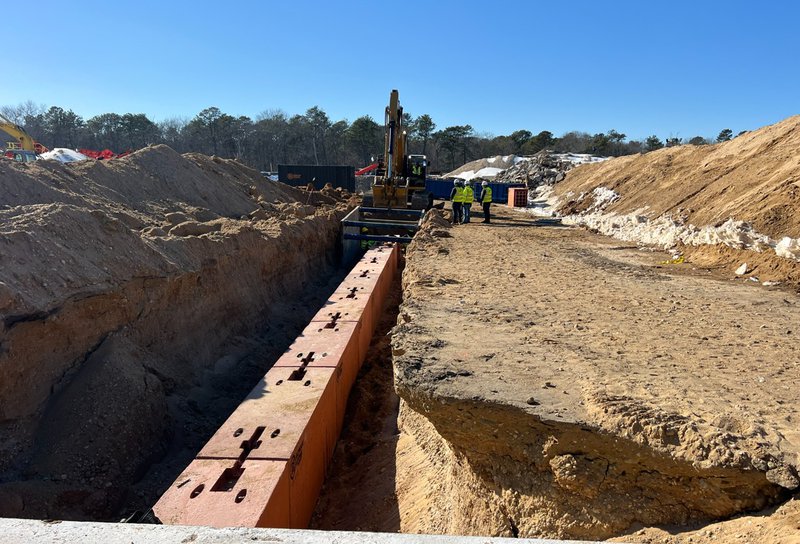
The performance of high-specification precast systems is fundamentally contingent upon subgrade stability. Inadequate soil bearing capacity, insufficient compaction, or substandard backfill materials can precipitate differential settlement and structural misalignment, particularly in subsurface utility applications.
Implementing rigorous site preparation protocols ensures that excavation and compaction meet precise engineering standards. Establishing a stable subgrade is essential to support design loads and maintain the intended operational lifecycle of the structure.
Effective preparation further includes comprehensive site assessments conducted prior to the mobilization of heavy plant equipment. This diligence ensures that environmental variables and existing utility corridors are fully accounted for, pre-empting unforeseen interference during the installation sequence.
Challenge 4: Interface Precision and Joint Detailing
Joints constitute the critical interfaces of any precast assembly. Inaccurate alignment or deficient sealing protocols can compromise system performance over time, resulting in hydraulic infiltration, structural shifting, or diminished durability.
A reliable methodology begins with high-precision fabrication and systematic dry-fitting procedures. Verifying geometric alignment prior to the application of sealants prevents minor discrepancies from escalating into costly field remediations.
Furthermore, specialized technical training and site-specific installation directives are imperative for field crews. When personnel understand the mechanical significance of each interface, they are better equipped to maintain the precision necessary for long-term structural reliability.
Practical Ways To Reduce Precast Concrete Risk
In addition to these technical steps, fostering a culture of safety and clear communication among all stakeholders is vital. When field crews, engineers, and project managers share a unified understanding of the project's milestones, small communication gaps are less likely to escalate into costly delays.
- Finalize coordination early, so design issues are found before fabrication begins.
- Plan transport and rigging before the first shipment leaves the plant.
- Verify subgrade and backfill conditions before setting any precast component.
- Inspect joints, seals, and connections as part of a formal quality check.

Investing in high-quality precast materials and partnering with experienced fabricators can also provide significant long-term value. Focusing on durability and precision from the outset allows project teams to ensure that the infrastructure remains resilient and cost-effective throughout its intended service life.
Strategic Partnership: The Roman Stone Advantage
Roman Stone serves as a strategic partner to contractors, transitioning critical path operations into a controlled, high-fidelity manufacturing environment. This approach radically diminishes field uncertainty and enhances schedule predictability for complex infrastructure.
For utility and transportation sectors, our value proposition is centered on certainty. Superior planning, sophisticated coordination, and dependable delivery allow project teams to execute with technical confidence.
Build With More Certainty
Project risk is mitigated when precast concrete is approached as an integrated structural system rather than a standalone product. This requires holistic planning across fabrication, logistics, and field installation. Partner with a precast specialist dedicated to proactive problem-solving and maintaining critical delivery milestones.
Consult with Roman Stone today to optimize your next infrastructure project.
FAQ
Why is holistic planning essential for precast concrete projects?
Approaching precast concrete as an integrated structural system, rather than a standalone product, mitigates risk by ensuring seamless coordination across fabrication, logistics, and field installation. This unified approach helps identify potential issues before they impact the construction schedule or budget.
How does precast concrete mitigate risks associated with site conditions?
By moving production to a controlled, off-site manufacturing environment, precast concrete decouples labor from volatile field conditions, such as adverse weather. This ensures higher quality assurance and reliability, provided that the site preparation, subgrade stability, and geotechnical requirements are rigorously verified before installation begins.
What role does joint detailing play in long-term structural reliability?
Joints are the critical interfaces of any precast assembly. Inaccurate alignment or deficient sealing can lead to hydraulic infiltration and structural shifting over time. Using high-precision fabrication and systematic dry-fitting procedures ensures that interfaces maintain the mechanical integrity necessary for the structure's full operational lifecycle.
