
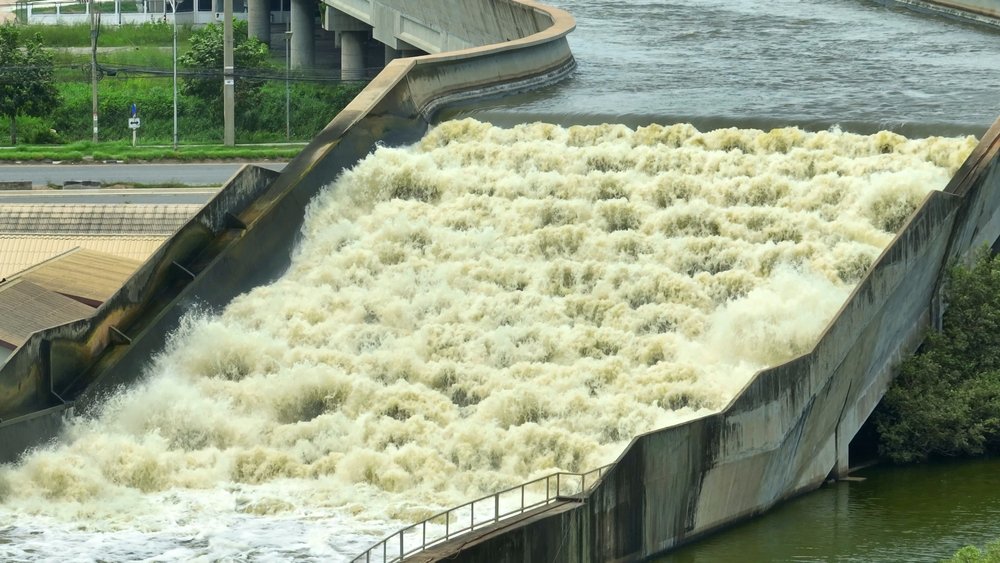
Stormwater Management: Using Precast to Reduce Run-off & Increase Stormwater Quality
Urban development is reshaping the landscape at a rapid pace. As cities expand, natural surfaces give way to roads, parking lots, and rooftops. These hard surfaces prevent rainwater from soaking into the ground. Instead, water rushes across the built environment, gathering pollutants as it moves. This is where stormwater management becomes essential.
Handling runoff is no longer just about flood control. It also means protecting water quality, preserving critical infrastructure, and satisfying increasingly strict environmental regulations. Precast concrete has become a leading solution in this space. Precast systems reduce runoff volume and improve the condition of water before it reaches local waterways.
The Problem With Urban Runoff in Stormwater Management
When rain falls on impervious surfaces, it collects sediment, heavy metals, oils, and nutrients. That contaminated runoff flows directly into streams, rivers, and lakes. Without treatment, it degrades aquatic ecosystems and introduces serious public health risks.
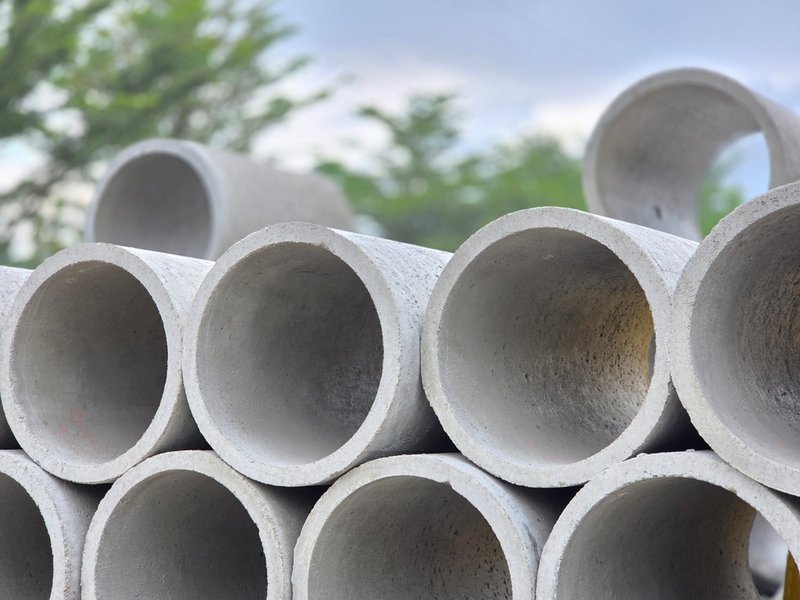
The U.S. Environmental Protection Agency governs stormwater discharges through the National Pollutant Discharge Elimination System (NPDES) permit program. Municipalities and construction sites must meet strict permitting requirements. Non-compliance can result in fines and costly project delays.
Climate change has added pressure to an already difficult stormwater management challenge. Extreme rainfall events are growing more frequent. Many drainage networks are undersized for the surge in water volume these events generate. Aging systems overflow, releasing untreated flow into waterways. Resilient, upgraded stormwater infrastructure has become a necessity, not an option.
How Precast Systems Control Runoff Volume
Precast concrete addresses runoff through three core mechanisms: detention, retention, and infiltration. Each plays a distinct role in a thorough stormwater plan.
- Detention temporarily holds excess stormwater and releases it at a controlled rate, reducing the peak flow that enters downstream drainage networks.
- Retention stores water on-site for beneficial reuse, such as landscape irrigation, keeping it out of the drainage system entirely.
- Infiltration allows water to percolate gradually into the soil, replenishing groundwater reserves and cutting total runoff volume.
Precast concrete modules are fabricated in controlled manufacturing environments. They arrive at the project site ready for installation. This approach shortens construction schedules and limits the period during which sites are vulnerable to erosion.
Precast Structures and Water Quality Treatment
Reducing runoff volume addresses one dimension of the problem. The quality of the water moving through these systems matters just as much.
Precast concrete structures can function as treatment components within a stormwater network. Catch basins and inlet structures capture surface flow early. They can be fitted to separate sediment and debris before water enters the main drainage system. Diversion weirs and junction boxes route flow toward dedicated treatment areas. Precast vaults with filtration chambers remove contaminants such as oils, heavy metals, and excess nutrients.
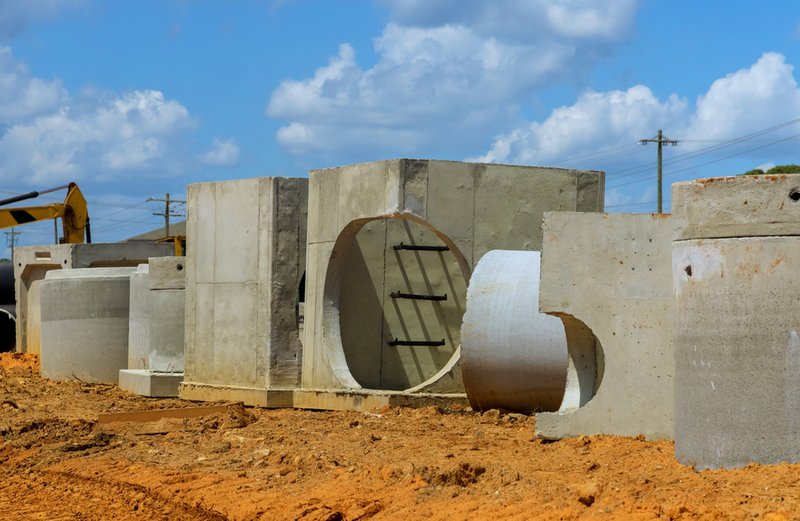
These systems are especially valuable near sensitive ecological zones. They help maintain the health of receiving waters and support compliance with water quality standards.
Durability, Precision, and Long-Term Reliability in Stormwater Management
Precast concrete is engineered for longevity. Its compressive strength increases over time. Plastic alternatives, in contrast, degrade under sustained loads and pressure. Underground stormwater installations face constant demands from traffic, soil weight, and construction activity above them. Reinforced concrete structures are purpose-built to absorb these forces reliably.
Long-term maintenance is also straightforward with precast systems. Most designs include integrated manhole access points. Crews can inspect and clean the interior without excavating the ground around them. This lowers operational costs over the life of the installation and preserves hydraulic efficiency.
Each precast component is manufactured to precise specifications. Production happens in a controlled facility, eliminating the variability inherent in cast-in-place concrete. That consistency results in fewer field complications and more predictable outcomes across decades of service.
Delivering Stormwater Solutions When Schedules Are Tight
Infrastructure teams facing compressed timelines need stormwater systems that work from day one. Shifting production off the jobsite reduces weather-related delays and lowers labor requirements on-site. That translates directly into schedule certainty and lower execution risk.
Roman Stone partners with contractors, utilities, and public agencies to deliver precast stormwater solutions for demanding infrastructure projects. Our engineering capability supports standard detention systems as well as custom-designed treatment structures. Every component leaves the facility already satisfying the structural and hydraulic requirements of the project.
Whether the work involves urban drainage upgrades, mission-critical site development, or coastal construction, Roman Stone helps project teams stay on schedule. Components arrive ready to place, supporting long-term system performance from installation day forward.
Reach out to Roman Stone today to discuss your project's stormwater infrastructure requirements and discover how precast can strengthen your next build.
Frequently Asked Questions
What types of pollutants does stormwater runoff typically carry?
Urban stormwater runoff commonly carries sediment, oils, grease, pesticides, heavy metals, and excess nutrients such as nitrogen and phosphorus. These contaminants accumulate on impervious surfaces between rain events and are washed into waterways when storms occur.
What is Low Impact Development (LID), and how does precast support it?
Low Impact Development is a design approach that mimics natural hydrology. It aims to manage runoff as close to the source as possible. Precast infiltration and retention systems align directly with LID principles, supporting groundwater recharge and on-site water management goals.
Are precast stormwater systems suitable for sites with high traffic loading?
Yes. Precast concrete stormwater vaults and storage systems are engineered to handle significant traffic and soil loads. Most are available in traffic-rated configurations, making them appropriate for installation beneath parking lots, roadways, and other high-load environments.

